
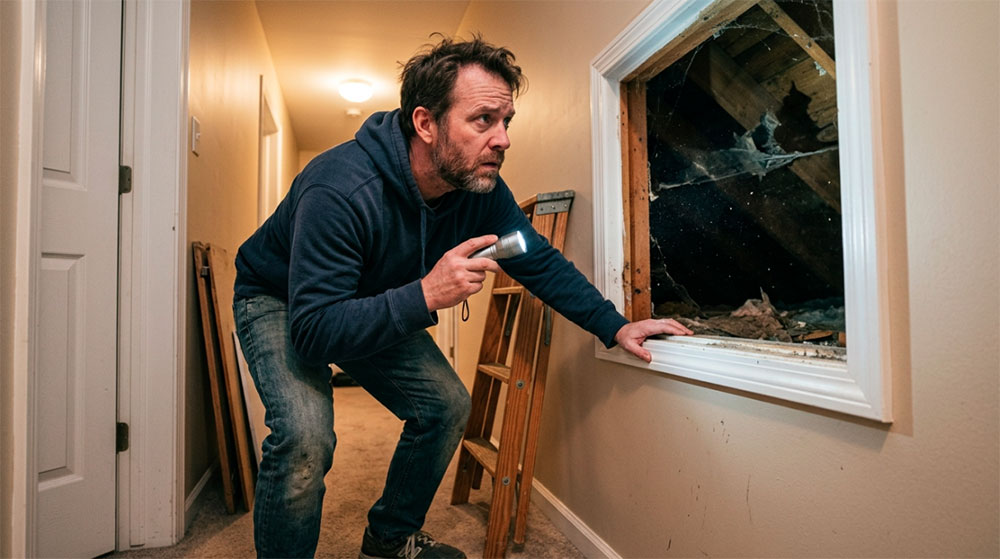
In the age of online tutorials, YouTube videos, and home improvement blogs, many Massachusetts homeowners are eager to tackle property maintenance projects on their own to save a few dollars. While painting a bedroom, landscaping, or fixing a leaky faucet are great DIY projects, attempting to remove a bat colony from your attic is absolutely not one of them.
When dealing with bats, the stakes are incredibly high. From serious legal repercussions to life-threatening health risks, handling bats requires specialized knowledge, equipment, and licensing. If you have bats in your home in Salisbury, Amesbury, or the surrounding areas, here is an in-depth look at why you should always put down the caulk gun and leave the exclusion process to the professionals at Safer Nature Pest Control.
1. The Legal Risks and Protected Status of Bats
In Massachusetts, bats are a legally protected species. Several native species, such as the Little Brown Bat and the Northern Long-eared Bat, have seen their populations absolutely decimated in recent years by a fungal disease known as White-Nose Syndrome. Because of their ecological importance as primary insect predators, state and federal laws strictly regulate how, when, and by whom bats can be handled.
It is highly illegal to kill bats, use pesticides or poisons on them, or trap them in cages. Furthermore, it is illegal to perform an exclusion during the summer maternity season, which can result in the death of flightless baby bats. Wildlife professionals understand the legal calendars, regulations, and state guidelines to ensure the process is done humanely and completely within the law. A DIY mistake could result in hefty fines from the Department of Fish and Game.
2. The Danger of Rabies Exposure
While the percentage of bats in the wild that carry rabies is relatively small (less than 1%), the risk to human life is incredibly serious. Rabies is a fatal viral disease transmitted through saliva, typically via a bite or scratch.
Bats have incredibly tiny, razor-sharp teeth, and a bite mark can easily go unnoticed, especially if you are fumbling around in a dark, cramped attic. If you attempt to handle a bat, try to catch one in a net, or accidentally corner a frightened bat while trying to seal up your attic, you run a significant risk of exposure. Professionals wear the necessary bite-proof personal protective equipment (PPE), thick leather gloves, and have the specific training to manage wildlife safely without putting themselves or your family at risk.
3. You Will Likely Make the Problem Much Worse
Many homeowners think that DIY bat removal simply involves waiting until nighttime, watching the bats fly out, and then nailing a board or spraying expanding foam over the hole they used. This is a recipe for absolute disaster.
First, bats almost always have multiple entry points. If you seal the primary exit, they will simply fly around the perimeter of the roof until they find another gap. Worse, if they cannot find a way out, they will navigate down into your wall voids and living spaces to escape the trapped attic.
We frequently receive emergency calls from frantic homeowners who attempted a DIY seal-up, only to wake up at 2:00 AM with bats flying around their bedrooms, living rooms, and kitchens. Professional exclusion involves installing specialized one-way doors that allow bats to leave but prevent them from returning, ensuring the colony is fully evicted before the house is permanently sealed.
4. The Complexity of Finding Every Entry Point
A bat can squeeze through a gap that is only 3/8 of an inch wide. That is roughly the width of a standard pencil. Finding every single gap along a roofline, under dormers, behind chimney flashing, and along soffit returns requires a highly trained eye and often involves safely navigating steep roofs with tall ladders. Missing just one tiny gap means the bats will return immediately.
Trust the Experts at Safer Nature Pest Control
Bat exclusion is a complex, delicate process that demands professional expertise, specialized equipment, and an understanding of wildlife biology. At Safer Nature Pest Control, our licensed technicians have the experience, protective gear, and proven exclusion systems required to permanently solve your bat problem safely and legally.
Protect your home and your family the right way. Call Safer Nature Pest Control for a professional bat exclusion consultation today!
Frequently Asked Questions (FAQ)
Can I just spray expanding foam to keep bats out? No! If you spray foam into a hole while bats are inside, you will trap them. They will either die and cause a terrible odor, or they will find their way into your living space.
What should I do if a bat is flying in my house? Isolate the bat to one room if possible by closing doors. Open a window to give it an exit path, and call a wildlife professional immediately. Do not try to catch it with your bare hands.
Do pest control companies kill bats? No reputable, licensed pest control company will kill bats. The standard, legal method is humane exclusion using one-way doors.