
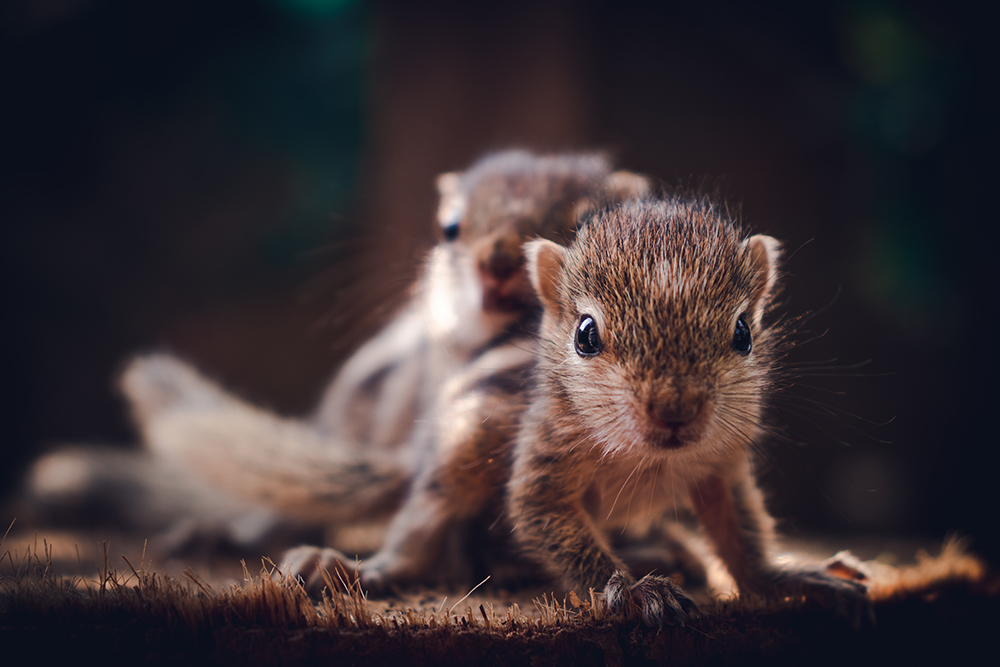
As autumn settles across Massachusetts and nighttime temperatures dip toward freezing, tree squirrels go into overdrive preparing for winter. While grey squirrels and flying squirrels are fun to watch gathering acorns in your yard, your warm attic insulation looks like prime real estate for their winter nesting dens.
For homeowners in heavily wooded and historic communities like Amesbury and Hamilton, squirrels finding their way into soffits, fascia boards, and attic spaces is an annual headache. Here is what you need to know about identifying squirrel activity early, the damage they cause, and why professional exclusion is the only permanent solution.
The Warning Signs of Squirrels in Your Attic
Squirrels are diurnal (active during the day, particularly early morning and late afternoon), unlike mice and bats which move around mostly at night. Common signs of an infestation include:
- Loud Scrambling and Rustling at Dawn: Heavy, rapid scurrying sounds in the attic or inside drywall right as the sun comes up.
- Chewed Fascia and Rake Boards: Visible gnaw marks around roof corners, attic louvers, or ridge caps where squirrels have widened existing gaps.
- Chewed Acorns or Nut Shells: Piles of discarded nutshells stored in insulation or between floor joists.
- Acrid Ammonia Odor: Urine and droppings concentrated near attic eaves and entry points.
Why Squirrels Are Dangerous to Your Home
Squirrels are rodents, which means their front incisors never stop growing. To keep them filed down, they gnaw relentlessly on whatever material is nearby:
- Electrical Fire Hazards: Squirrels frequently strip the plastic coating off exposed electrical wiring in attics, creating dangerous hidden fire hazards.
- Insulation Contamination: Urine, feces, and nesting debris compress and ruin fiberglass and cellulose insulation, drastically decreasing your home’s heating efficiency.
- Water Damage: When squirrels chew through eaves, soffits, or wooden shingles, they open pathways for winter rain and melting snow to penetrate your roofline, leading to mold and wood rot.
The Safe, Humane Solution: Wildlife Exclusion
Trapping a squirrel inside a cage or sealing up a hole while they are out foraging might seem straightforward, but DIY methods almost always backfire. If you seal an entry hole while squirrels are trapped inside, they will violently chew through drywall, baseboards, and ceiling plaster to escape. Furthermore, if you don’t reinforce the surrounding fascia, other squirrels will chew through right next to your patch.
At Safer Nature Pest Control, we practice humane wildlife exclusion:
- Full Roofline & Eave Inspection: We inspect your roof ridges, chimney flashing, soffit vents, and dormers to locate every active and potential entry hole.
- One-Way Exclusion Doors: We install specialized one-way doors over primary entry points. This allows squirrels to leave safely to find food, but prevents them from re-entering your roof.
- Chew-Proof Metal Flashing & Sealing: Once the attic is 100% squirrel-free, we permanently seal all entryways using heavy-gauge, galvanized steel mesh and chew-proof materials that blend seamlessly into your roofline.
If you suspect squirrels have moved into your attic, don’t wait for winter snow to trap them inside. Call or text Safer Nature Pest Control at (978) 325-1325 for a free inspection quote!