
When fall arrives in New England, millions of outdoor insects and rodents begin their seasonal migration indoors. Field mice, house mice, spiders, and stink bugs look for tiny cracks in your foundation, seeking warmth, food, and shelter from the bitter cold.
For decades, the standard response from traditional exterminators was to broadcast heavy chemical sprays along baseboards and toss poison bait boxes into basements and attics. But modern pest management has evolved. Today, eco-friendly exclusion—stopping pests from entering in the first place—is proven to be far more effective, longer-lasting, and safer for your family, pets, and the local ecosystem.
The Hidden Problems with Chemical Rodent Baits
Placing poison bait blocks in your basement or attic might kill a few mice, but it creates a host of secondary problems:
- Secondary Poisoning of Pets and Wildlife: When a poisoned mouse stumbles outside or dies in your yard, neighborhood cats, dogs, owls, hawks, and foxes that ingest the rodent can become violently ill or die from secondary rodenticide toxicity.
- Dead Mice Inside Your Walls: Poisoned rodents don’t politely go outside to die. They retreat into the deepest, warmest wall cavities, floor joists, and ceiling voids. When they die inside the drywall, you face weeks of foul, nauseating odors and swarms of blowflies.
- It Treats the Symptom, Not the Cause: Killing three mice with bait does nothing to stop the next ten mice waiting outside your foundation. If the hole is still there, new rodents will continue to move in all winter long.
Mechanical Exclusion: The Ultimate Eco-Friendly Defense
Pest control professionals call physical exclusion Integrated Pest Management (IPM). It is the practice of inspecting your home’s structural shell and mechanically locking pests out:
- A Mouse Needs Only a 1/4-Inch Gap: A standard house mouse can squeeze through a gap the diameter of a pencil (about 6 millimeters). Common entry points include gaps around AC coolant lines, dryer vents, bulkhead door edges, and basement window framing.
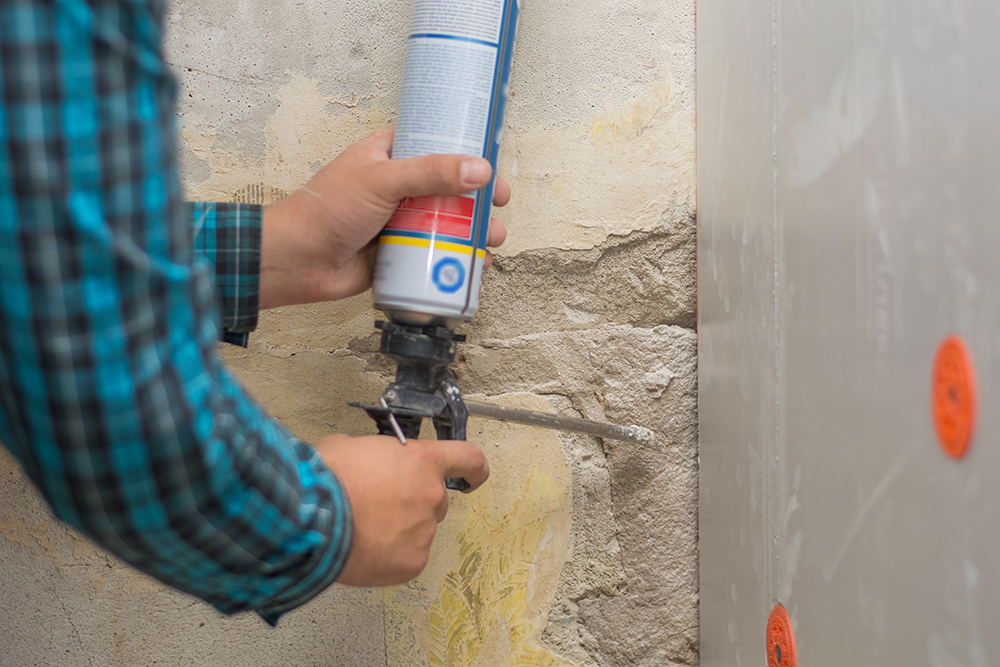
- Chew-Proof Materials: Expanding foam from the hardware store won’t stop mice—they chew right through standard spray foam in seconds. Eco-friendly exclusion uses copper mesh, galvanized steel wire cloth, and silicone-based sealants that rodents cannot penetrate.
- Zero Chemicals in Your Living Spaces: Sealing your perimeter keeps your indoor air clean, protecting toddlers crawling on carpets and pets sniffing around baseboards from unnecessary chemical residues.
Fall Checklist for Massachusetts Homeowners
Before freezing weather sets in, take a walk around your home’s exterior foundation:
- Check the Sill Plate: Look along the top of your concrete foundation where the wooden house framing sits. Any gaps should be tightly sealed with metal flashing or sealant.
- Inspect Utility Penetrations: Ensure openings for electrical conduits, natural gas pipes, cable wires, and heat pump lines are packed tight with chew-proof mesh.
- Check Bulkhead Doors: Older metal cellar doors frequently have gaps along the bottom threshold or rusted side frames where rodents easily slip inside.
At Safer Nature Pest Control, we believe in pest prevention that respects your home and environment. Our licensed technicians provide comprehensive rodent exclusion inspections throughout Essex County and Massachusetts’ North Shore. Call or text us today at (978) 325-1325 to schedule your inspection!